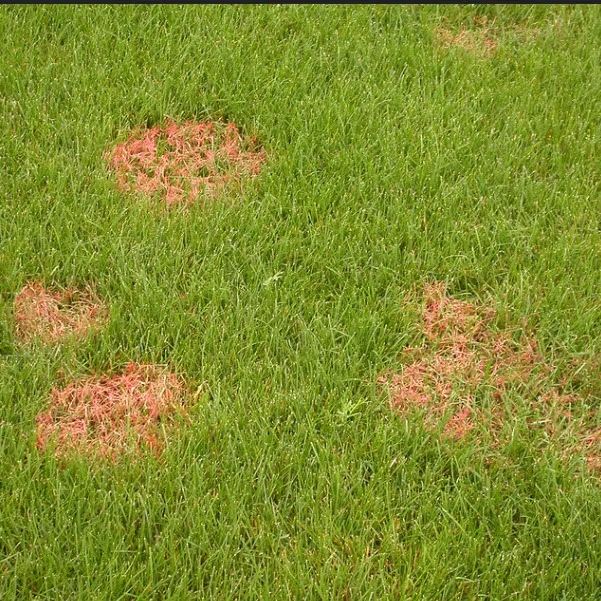
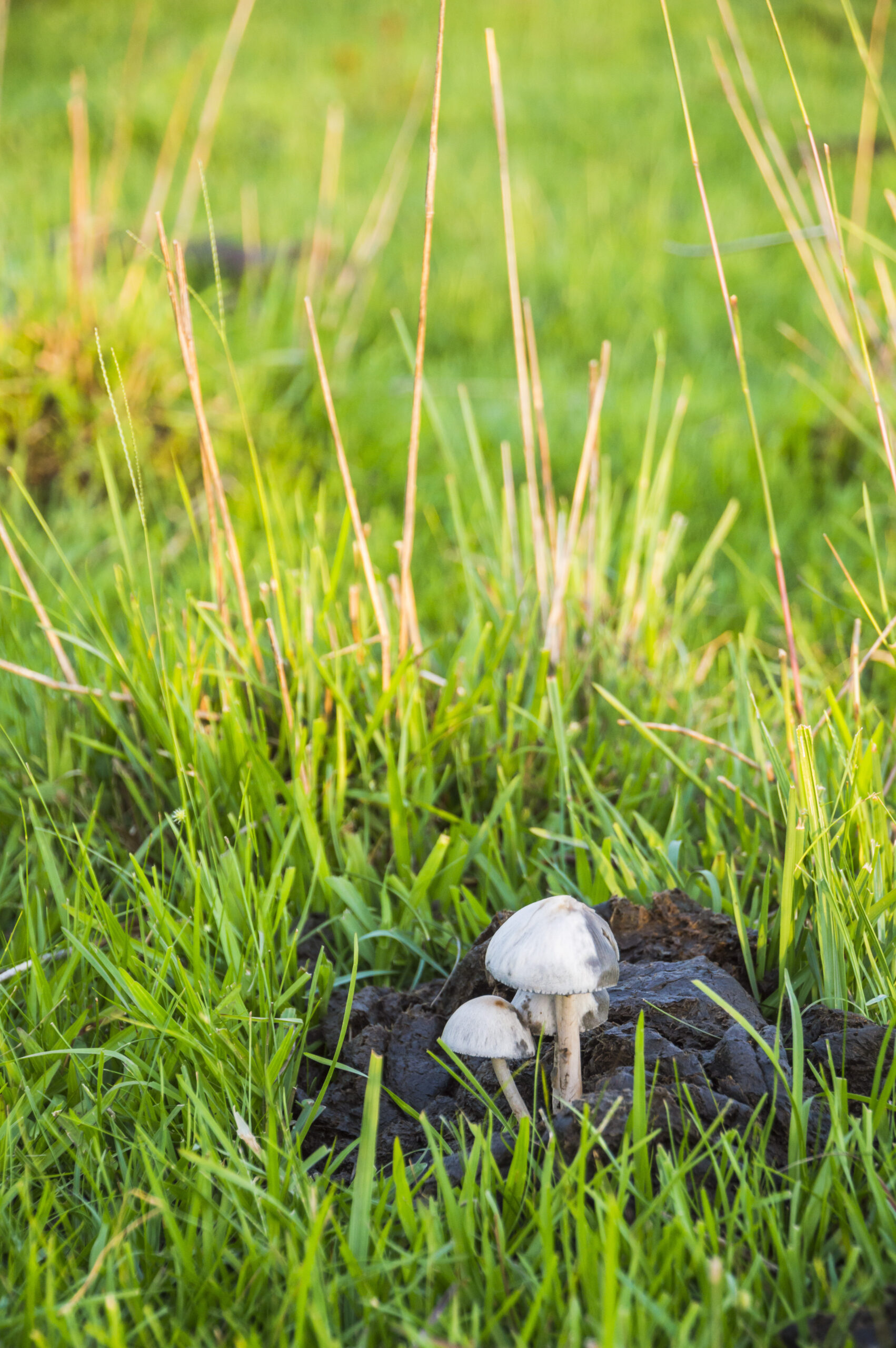
In New Jersey lawns, diseases are common because the region has humid summers, warm nights, frequent dew, and cool-season grasses such as Kentucky bluegrass, perennial ryegrass, and fescue. Most lawn diseases are caused by fungi (or fungus-like organisms) that grow when grass stays wet too long, lacks airflow, or becomes stressed.
A key point many homeowners miss: fungi are often already present in the lawn. Disease develops when weather and lawn conditions allow them to spread.
Service Focus:
Our service focus is helping homeowners maintain healthy lawns through preventative care, expert guidance, and responsive support. While we implement best management practices, lawn health results can vary due to environmental conditions and factors beyond our control.
Early Warning Signs Before Visible Lawn Disease
Grass stays wet too long
- Dew remains on grass late into the morning
- Lawn stays damp 10–12 hours overnight
- Shaded or dense areas dry slowly
Most turf diseases begin developing when grass blades remain wet 8 hours or more.
Subtle color changes
- Grass appears dull or gray-green
- Small areas lose deep green color
- Turf looks slightly matted or wilted
These changes can occur before visible patches form.
Morning webbing or threads
- Thin white or gray web-like strands
- Visible across grass blades in early morning dew
- Often disappears after the sun dries the lawn
These threads are mycelium, the visible growth of certain fungi.
Mycelium (Visible Fungal Growth)
Mycelium is not a disease itself. It is the thread-like structure that fungi use to spread through turf.
What it looks like
Early in the morning you may see:
- White or gray thread-like strands
- A spider-web or cottony appearance
- Thin fuzzy growth across infected patches
Once the lawn dries, it usually disappears quickly.
Diseases where mycelium may appear
It can be seen with several lawn diseases including:
- Brown Patch
- Dollar Spot
- Pythium
- Snow Mold
Seeing mycelium usually means the fungus is already active in the lawn.
Main Causes of Lawn Disease in NJ
Most lawn diseases in New Jersey develop because of a few environmental factors.
Humidity and warm nights
Summer nights often stay warm and moist, which promotes fungal growth.
Extended leaf wetness
Grass remaining wet 8–12 hours greatly increases disease risk.
Lawn stress
Stress weakens turf and allows pathogens to infect more easily.
Common stress sources include:
- Dull mower blades
- Low mowing height
- Compacted soil
- Drought or excessive watering
Poor airflow
Shade, thick thatch, and dense grass trap moisture near the soil surface.
Simple Prevention Practices
Lawn professionals in New Jersey generally focus on a few basic practices.
Watering
- About 1–1.5 inches per week
- Apply water early in the morning
Mowing
- Maintain 3–4 inch grass height
- Keep mower blades sharp
Aeration
- Perform core aeration once per year, ideally in fall
Fertilization
- Light spring feeding
- Heavier fertilization during fall growth
Key Idea:
Most lawn diseases appear when moisture, humidity, and lawn stress occur together, allowing fungi already present in the turf to spread.